
Creativity, Inc.
Good to Great
Building a Second Brand
The Lean Startup
Blue Ocean Strategy
Leaders Eat Last
The Innovator's Dilemma
Thinking, Fast and Slow
Lean In
The Power of Habit
Four Thousand Weeks
The 5AM Club
Crucial Conversations
The Infinite Game
Never Split the Difference
The First 90 Days
Creativity, Inc. Good to Great Building a Second Brand The Lean Startup Blue Ocean Strategy Leaders Eat Last The Innovator's Dilemma Thinking, Fast and Slow Lean In The Power of Habit Four Thousand Weeks The 5AM Club Crucial Conversations The Infinite Game Never Split the Difference The First 90 Days
Keep your mind fresh with summaries of the best business books
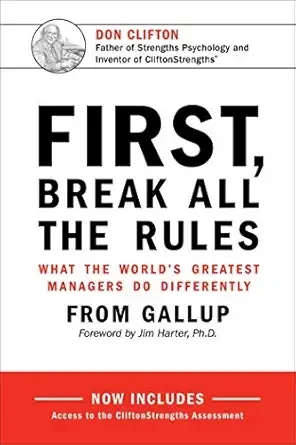
First, Break All The Rules
First, Break All the Rules distills decades of Gallup research, drawing on interviews with over a million employees and eighty thousand managers, into an account of what the best managers actually do. Its central instrument is the Q12, twelve questions whose answers vary more between teams than between companies, which locates engagement with the immediate manager. Its central argument is four keys: select for talent rather than experience, define outcomes rather than steps, build on strengths rather than fixing weaknesses, and find the right fit rather than the next promotion.
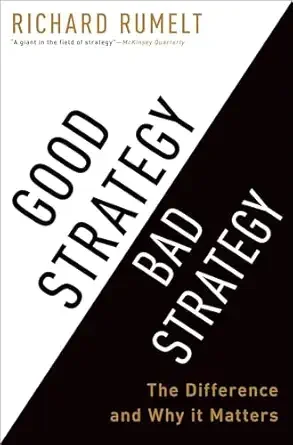
Good Strategy Bad Strategy
In Good Strategy Bad Strategy, UCLA professor Richard Rumelt takes one of business's most abused words and gives it a spine. Most of what organizations call strategy, he argues, is ambition in disguise: goals, slogans, and template mission statements that never name the actual obstacle. Real strategy has a structure he calls the kernel, built from an honest diagnosis, a guiding policy, and coherent actions that reinforce one another. Drawing on Sam Walton, Nvidia, Apple's 1997 turnaround, and Desert Storm, Rumelt shows why focus beats ambition and why the hardest part of strategy is deciding what not to do.
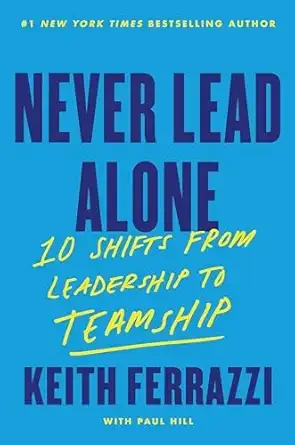
Never Lead Alone
In Never Lead Alone, executive coach Keith Ferrazzi argues that the era of the individual hero leader is dead. Drawing from decades of research, he outlines a transformational shift from traditional top-down management to "teamship." By embracing co-elevation, peer-to-peer accountability, and structured candor, organizations can dismantle the silos and conflict avoidance that destroy value. Master these shifts to build a deeply resilient, high-performing, and unified team.
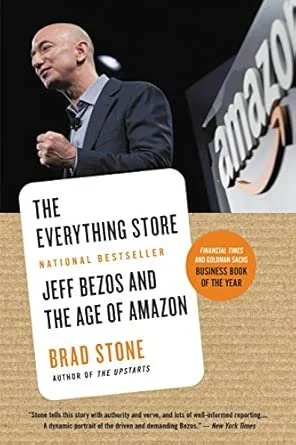
The Everything Store
In The Everything Store, Brad Stone provides the definitive, unvarnished history of Amazon and its relentless founder, Jeff Bezos. Stone reveals how Amazon grew from a scrappy online bookstore into a global juggernaut by relying on a deeply contrarian playbook. By prioritizing extreme customer obsession, decades-long strategic thinking, and a famously ruthless corporate culture, Bezos proved that prioritizing long-term market dominance over short-term profits is the ultimate competitive advantage.
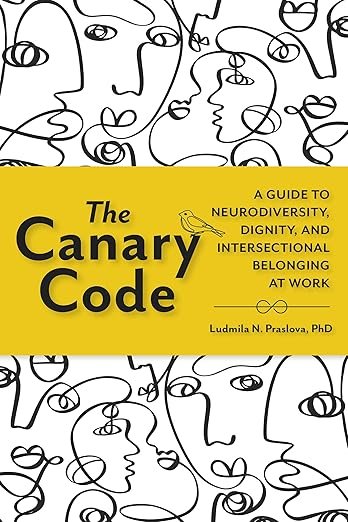
The Canary Code
In The Canary Code, organizational psychologist and autistic community member Ludmila N. Praslova provides a comprehensive framework for neuroinclusion at work. She argues that neurodivergent employees are like canaries in a coal mine, sensing toxic environments and broken workflows first. By shifting from a deficit model to a dignity-based approach built on six core principles, organizations can create flexible, transparent systems where all talent thrives.
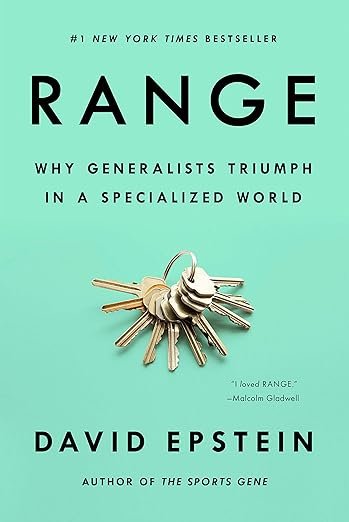
Range
In Range, journalist David Epstein challenges the pervasive cult of the head start. While early specialization is highly effective in predictable fields with rigid rules, the modern economy is fundamentally unpredictable. Epstein argues that generalists—professionals who sample widely, delay committing to a single path, and draw analogies across diverse disciplines—are uniquely equipped to thrive. By embracing a broad, winding path, you build the creative agility required to solve complex problems.
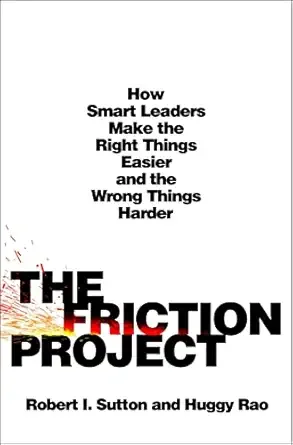
The Friction Project
In The Friction Project, Stanford professors Robert I. Sutton and Huggy Rao provide a practical guide to identifying and managing organizational drag. They argue that skilled leaders act as "friction fixers," aggressively eliminating the bad friction that wastes time, while intentionally introducing good friction to prevent reckless decisions. Master these principles to cure addition sickness, protect your team's time, and build a highly productive workplace.
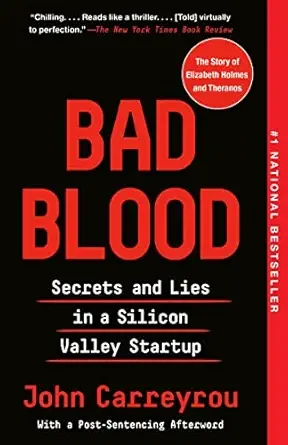
Bad Blood
In Bad Blood, Pulitzer-winning reporter John Carreyrou tells how Theranos, a $9 billion startup built on a blood-testing device that never worked, deceived investors, retailers, and patients for over a decade. Elizabeth Holmes raised hundreds of millions on a promise her own scientists knew was false, then silenced anyone who said so. It is the definitive anatomy of a corporate fraud, and a warning about what belief can hide.
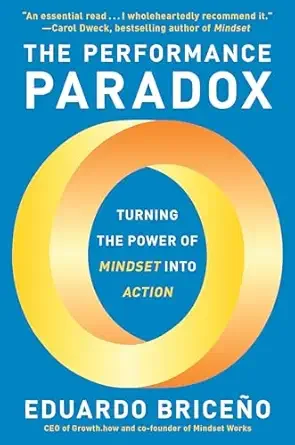
The Performance Paradox
In The Performance Paradox, executive coach Eduardo Briceño exposes why high performers eventually plateau: they spend all their effort executing and none of it improving. His remedy is a deliberate split between the Performance Zone, where you do what you know, and the Learning Zone, where you build what you don't. Master the rhythm between them and growth stops being accidental.
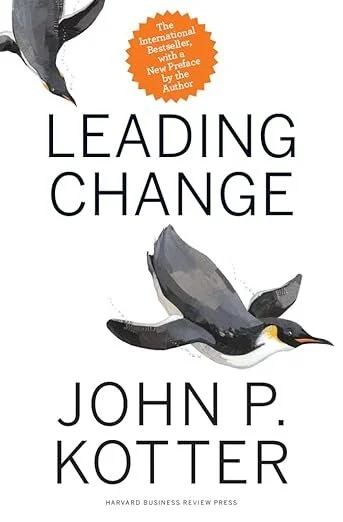
Leading Change
In Leading Change, Harvard professor John P. Kotter lays out the eight-step framework that has defined modern change management. Drawing on decades of research across hundreds of organizations, he reveals why most transformation efforts fail and exactly what leaders must do to beat those odds. From building urgency to anchoring new behaviors in culture, this book remains the go-to guide for anyone leading meaningful change.
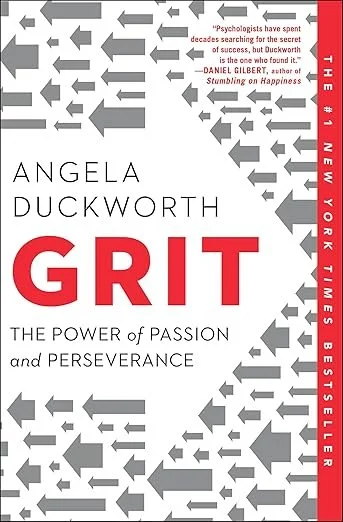
Grit
In Grit, psychologist Angela Duckworth draws on years of research with West Point cadets, spelling bee champions, and top performers to argue that passion and perseverance, not raw talent, drive extraordinary achievement. She lays out the four assets of gritty people, interest, practice, purpose, and hope, and shows how to build them at any age. A clear, evidence-backed guide to turning long-term effort into lasting success.

Elon Musk
In Elon Musk, biographer Walter Isaacson follows the SpaceX and Tesla CEO with extensive access over two years, including through his acquisition of Twitter. The book presents an unvarnished portrait of a leader whose drive produces extraordinary engineering achievements alongside significant personal and organizational damage. Worth reading for anyone trying to understand modern technology leadership in its most polarized form.
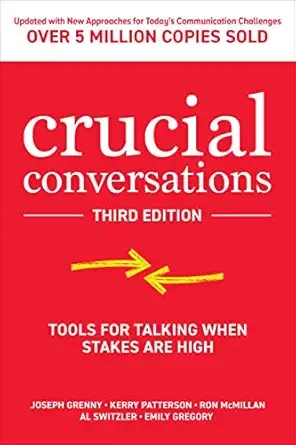
Crucial Conversations
In Crucial Conversations, authors Kerry Patterson, Joseph Grenny, Ron McMillan, and Al Switzler provide a practical framework for mastering high-stakes, emotional dialogue. They argue that successful communication depends on maintaining a safe "pool of shared meaning." By learning to manage your internal stories, restore mutual respect, and speak persuasively without being abrasive, you can resolve deep conflicts and turn volatile disagreements into productive action.
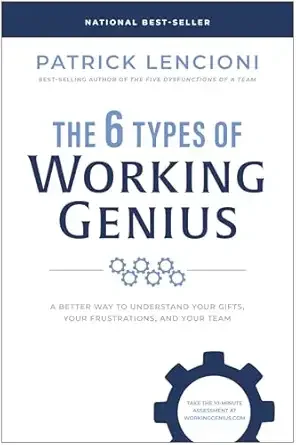
The 6 Types of Working Genius
In The 6 Types of Working Genius, organizational expert Patrick Lencioni offers a practical framework to help individuals and teams discover what brings them joy and what drains their energy. By identifying six fundamental types of work—from initial wonder to final execution—Lencioni provides a roadmap for aligning natural talents with daily tasks, ultimately eliminating unnecessary judgment and transforming workplace productivity.
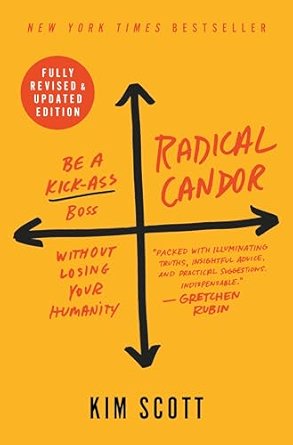
Radical Candor
In Radical Candor, Kim Scott challenges the notion that managers must choose between being liked and being effective. She introduces a framework based on two dimensions: Care Personally and Challenge Directly. By avoiding the traps of "Ruinous Empathy" (being too nice) and "Obnoxious Aggression" (being a jerk), leaders can build trust, drive results, and help their teams do the best work of their lives.
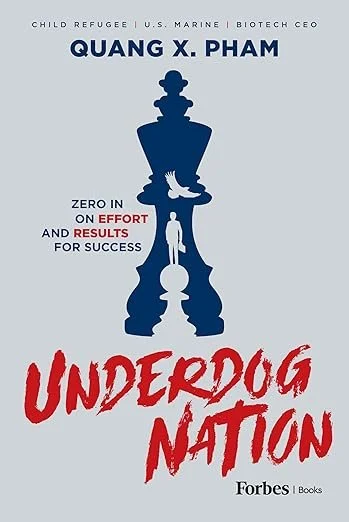
Underdog Nation
What can a U.S. Marine teach you about business? In Underdog Nation, former combat pilot Quang X. Pham reveals how the military's underdog ethos is the ultimate advantage in entrepreneurship. Through powerful principles like the "30-Second Complain-and-Fix Rule" and "Commander's Intent," he provides a battle-tested playbook for building resilient teams, leading with integrity, and thriving in the chaos of the modern marketplace.
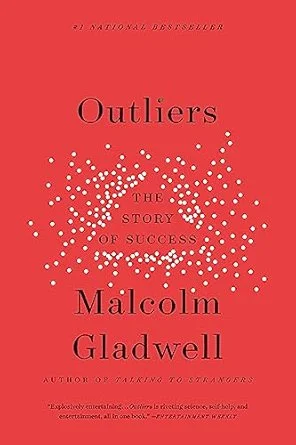
Outliers
In Outliers, Malcolm Gladwell dismantles the myth of the self-made success. Through fascinating case studies—from Canadian hockey players to Bill Gates—he demonstrates that success is rarely just about raw talent. Instead, it is the product of hidden advantages, cultural legacies, and extraordinary opportunities to practice (the 10,000-Hour Rule). By understanding these systemic factors, we can better engineer environments where success is not an accident of birth, but a cultivated outcome.
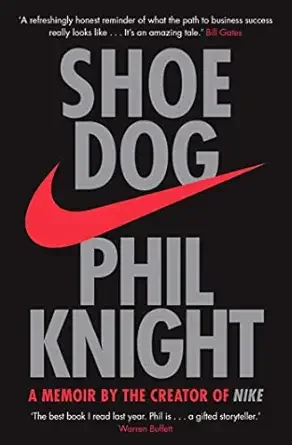
Shoe Dog
In Shoe Dog, Nike founder Phil Knight tells the raw, honest story of building the company from a car-trunk sneaker operation into a global brand. It is less a how-to than a memoir of doubt, debt, and stubborn persistence. Knight shows that entrepreneurship is messy, lonely, and rarely tidy, and that surviving long enough to win often comes down to a simple refusal to quit.
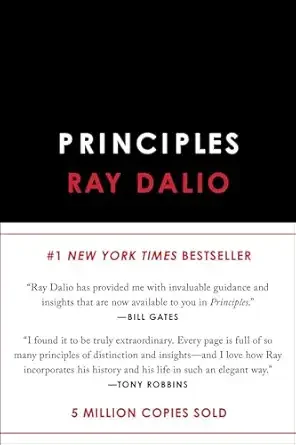
Principles
In Principles, Bridgewater founder Ray Dalio shares the rules he used to build the world's largest hedge fund and live a meaningful life. His core message is that pain plus reflection equals progress, and that radical truth, radical transparency, and an idea meritocracy beat ego and hierarchy. By writing down repeatable principles for recurring decisions, anyone can think more clearly and make far fewer avoidable mistakes.
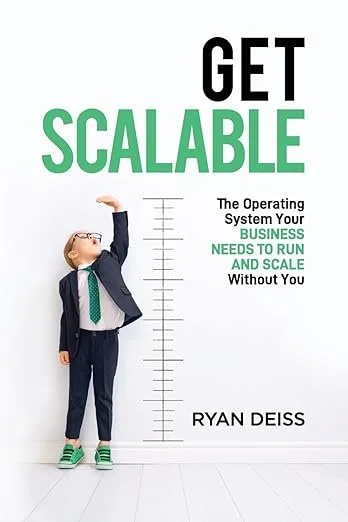
Get Scalable
In Get Scalable, Ryan Deiss provides a pragmatic roadmap for founders trapped by their own success. By implementing a "Scalable Operating System" based on the four core circuits of Strategy, People, Process, and Acceleration, leaders can move from being the bottleneck to the architect. This summary details how to document processes, delegate effectively, and build a business that runs predictably—and profitably—without you.