
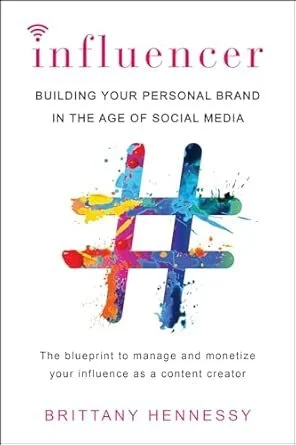
Influencer
Building Your Personal Brand in the Age of Social Media
by Brittany Hennessy
The 60-Second Take
In Influencer, Brittany Hennessy draws from her experience casting creators for major publications to demystify the creator economy. She reveals that online influence is a structured business. By outlining how to build an engaged audience, package a personal brand, and pitch corporate sponsors, she provides a practical roadmap for monetization.Master these principles to turn your social media presence into a sustainable, professional enterprise.
The Hidden Economics of the Creator Economy
For years, creating content online was viewed primarily as a hobby. Today, the creator economy is a massive industry, with individuals earning more money annually through digital platforms than previous generations made in a decade. The transition from posting photos for fun to running a profitable digital business requires a fundamental shift in mindset. In Influencer, Brittany Hennessy pulls back the curtain on how this industry actually operates. As a former nightlife blogger and social media strategist who became the Senior Director of Influencer Strategy and Talent Partnerships at Hearst Magazines Digital Media, Hennessy possesses unrivaled insight into the branded content industry. She was the person deciding who got paid and who got ignored, managing massive creator partnerships from the corporate side of the table.
Her premise is highly pragmatic. You do not need millions of followers to make a living on social media. You just need a highly engaged community and a professional brand that corporations want to buy. The book serves as a tactical manual for content creators who want to stop working for free products and start building a sustainable, monetized business.
What You'll Learn
The difference between micro, macro, and mega-influencers, and why engagement matters.
How to package your personal brand, identify your voice, and maintain visual consistency.
The mechanics of pitching brands and analyzing corporate creative briefs.
How to monetize your influence, set your rates, and properly follow FTC guidelines.
The role of talent agents and when it makes sense to secure formal representation.
The Influencer Ecosystem
Many people assume that only massive celebrities make money online. Hennessy clarifies that the creator economy is broken down into distinct tiers, and there is immense value at every level. The ecosystem includes standard content creators, micro-influencers, macro-influencers, and mega-influencers.
Mega-influencers are usually household names and celebrities with an expansive audience. They offer brands massive scale and reach, but their powerful impact can sometimes make them seem less accessible to everyday followers. Macro-influencers possess a significantly larger following and greater reach than the average creator. Micro-influencers, on the other hand, have a smaller follower base but boast a highly engaged, fiercely loyal community. Brands are often eager to partner with micro-influencers because their recommendations feel authentic and drive genuine interaction. Finally, standard content creators are individuals who focus primarily on producing and sharing consistent content across platforms.
To succeed in this saturated market, you have to build a strong personal brand. This process begins with deep introspection to understand your core values, your passions, and the message you want to convey to the world. You must identify and develop a unique brand voice. Next, you have to craft a compelling story that reflects your journey and the reasons behind your passions. When followers see genuine experiences and emotions, they form a lasting connection with the creator.
A strong personal brand also demands visual consistency. Your logo, color scheme, and overall aesthetic must be cohesive across all your social media channels. This consistent visual presence makes your brand easily recognizable and aids in quicker audience recall.
Packaging Your Brand and the Art of the Pitch
Creating great content is only the first half of the job. If you want to secure lucrative collaborations and partnerships, you have to treat your brand like a professional media property. This requires packaging your brand effectively and learning how to pitch your favorite companies. Creators must assemble their statistics, aesthetic, and audience demographics into a format that brands can easily digest.
Hennessy emphasizes that brands do not pay you simply because they like your photos. They pay you because your audience aligns with their target market, and they need your help to drive awareness or sales. When approaching companies, a creator must demonstrate exactly how a partnership will benefit the sponsor. Setting achievable goals—such as reaching a certain follower count or securing a specific number of brand deals per month—helps creators measure their success and refine their pitches over time.
Once a brand decides to work with you, they will typically issue a creative brief. Hennessy explains that this document serves as the operational roadmap for the partnership. It will usually tell you the history of the brand and provide specific details about the product. More importantly, it will include mandatory talking points, such as sale dates, available sizes, price points, and ingredients. The mark of a professional is the ability to seamlessly integrate these corporate requirements into their content without losing their authentic voice. You must also learn how to praise a brand enthusiastically without alienating their competitors, preserving your ability to secure future deals in the same industry.
Monetization and Mastering the Rules
One of the most confusing aspects of the creator economy is figuring out exactly how much to charge. Because the industry emerged rapidly, many creators initially underpriced their services, accepting free products in exchange for valuable advertising space. Hennessy provides insight into how corporate budgets are allocated and how creators can accurately monetize their influence.
Pricing your influence requires factoring in multiple variables beyond a simple follower count. You have to consider your engagement rates, the quality of your content, and the specific deliverables required by the creative brief. Furthermore, if a brand wants to use your content in their own advertising, or if they demand exclusivity that prevents you from working with rival companies, your rates must increase to reflect that value. You are charging for access to an audience you spent years cultivating.
Alongside pricing, professionals must master the administrative and legal mechanics of the industry. You have to clearly understand Federal Trade Commission (FTC) guidelines. Failing to properly disclose a sponsored post is a major liability that can damage your reputation and invite legal scrutiny. Finally, as a creator's business scales, they must decide whether to continue managing their own deals or seek formal representation. Hennessy outlines the specific milestones that indicate a creator is ready to land an agent. Securing an agent allows a creator to focus entirely on community building and content creation while a professional negotiates their revenue streams.
Influencer Marketing at a Glance
The influencer ecosystem. The industry consists of distinct roles ranging from everyday content creators to highly engaged micro-influencers and massive mega-influencers.
Visual consistency. A strong personal brand requires a cohesive visual style across all platforms to aid in quick audience recall.
The creative brief. Brands use this document to provide their history, product details, and mandatory talking points like price and ingredients.
Monetization. Creators must calculate what to charge based on their reach, engagement, and the specific demands of the brand.
Legal compliance. Professionals must thoroughly understand and adhere to FTC guidelines to maintain trust and avoid liability.
Talent agents. As a personal brand grows, securing an agent can help manage negotiations and secure larger campaigns.
A Quick Start Guide to Building Your Personal Brand
Define your brand voice. Introspect to understand your core values and passions, ensuring you have a clear vision of what you stand for before creating content.
Establish visual consistency. Align your logo, color scheme, and overall aesthetic across every social media channel to make your brand instantly recognizable.
Craft a compelling story. Share your journey and experiences to connect with your audience on a genuine emotional level.
Set measurable goals. Define specific objectives, such as reaching a certain follower count or landing a set number of brand partnerships per month.
Master the creative brief. When reviewing a brand pitch, carefully identify their mandatory talking points and find a way to integrate them without losing your authentic voice.
Who Should Read Influencer (and Who Can Skip It)
Read it if you are an aspiring content creator who wants to transition from posting casually to securing paid brand partnerships.
Read it if you are a small business owner or entrepreneur looking to understand the mechanics of influencer marketing from the inside out.
Read it if you currently have an engaged social media following but lack the technical knowledge to package your brand and pitch companies effectively.
Skip it if you are an established mega-influencer who already employs a full management team and talent agency to handle your corporate negotiations.
Skip it if you are looking for advanced technical tutorials on video editing or platform algorithms. The book is heavily focused on the business strategy and branding aspects of the industry.
Final Reflections
Influencer is a highly practical reality check for the digital age. Brittany Hennessy successfully strips away the glamorous facade of social media fame to reveal the rigorous business structures operating beneath the surface. Her background on the corporate side of the table gives the book immense credibility. She does not just tell creators how to take better photos; she tells them exactly what a brand manager looks for when approving a marketing budget. The lasting message is empowering but demanding. Building a personal brand is accessible to anyone willing to put in the work, but monetizing that brand requires professional discipline, strategic pitching, and absolute consistency.
The Bottom Line
Building a profitable personal brand on social media does not require massive celebrity status; it requires treating your content like a business, understanding your unique value, and professionally pitching your highly engaged audience to the right corporate sponsors.
Frequently Asked Questions
What is the main idea of Influencer?
The main idea is that turning a social media presence into a lucrative career requires professional strategy. The book provides a step-by-step framework for identifying your brand voice, packaging your statistics, pitching to corporate sponsors, and managing the operational mechanics of the creator economy.
What is the difference between a micro-influencer and a macro-influencer?
A micro-influencer has a smaller follower base but typically maintains a highly engaged, fiercely loyal audience. A macro-influencer possesses a significantly larger following and greater reach, while mega-influencers are usually household names with expansive, global audiences.
How do influencers know what to post for a brand?
When an influencer partners with a brand, they usually receive a creative brief. This document outlines the brand's history, the product details, and required talking points like sale dates or price points. The influencer's job is to integrate these requirements into their content authentically.
Business Floss is reader-supported. When you use our links we may earn an affiliate commission that helps us keep the site running. Thank you for your support!


